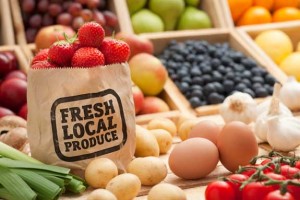
 WHY ORGANIC FOOD?
A Definition of “Organic”
Organic quotes to the way agricultural goods are grown and processed. It consists of a system of manufacturing, processing, spread and sales that insures buyers that the goods sustain the organic purity that starts on the farm. An organic food is that which is planted, grown, reserved, and/or processed without the usage of synthetically manufactured chemicals or fertilizers, herbicides, insecticides, fungicides, or any other pesticides, growth hormones or growth regulators, antibiotics, and must not be genetically identified. Only farmers who manufacture food in accordance with a set of standards, bear development by other certified growers, and take an annually examination by a coached self-sufficient inspector can brand their goods certified organic.
Why is “Certified Organic” Important?
By selecting to buy from sell-sufficient organic growers, the soil is grateful, the farmer is delighted and the children are secure. Everybody is a winner. Here is the short list of the profits of organic food.
- No pesticide, herbicide, fungicide residues on food
- Less chlorine chemistry into our environment.
- No synthetic fertilizer residuals built into plants
- No genetically engineered organisms or varieties.
- Intense, realistic flavors.
- Higher vitamin content
- Higher mineral content and greater mineral variety.
Remember, the best way to receive fresh, organic fruits and vegetables is to plant them in your own garden!
 10 Reasons Why “Certified Organic” is Important:
Protect the Environment
When you buy organic food, you utilize the power of your dollar to maintain life affirming farming backgrounds
Get Better Flavour
There is main cause why many boses utilize organic food in their recipes – IT TASTES BETTER! Organic farming begins with feeding of the soil, which runs to the feeding of the plant, and finally, to the feeding of our bodies.
In accordance of the Environmental Working Group, the 12 most pesticide-laden fruits and vegetables are: (in order of toxicity)
- Strawberries
- Bell Peppers (tie)
- Spinach (tie)
- Cherries (USA)
- Peaches
- Cantaloupe (Mexico)
- 7. Celery
- Apples
- Apricots
- Green Beans
- Grapes (Chile)
- Cucumbers
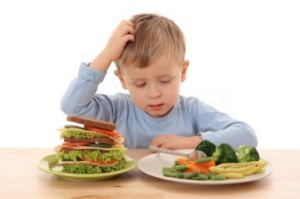 Protect Your Children
The average child is cleared out to four times as many cancer-causing pesticides in their daily lives in comparison with an adult. Organic food consists of no carcinogenic pesticides. Children are working out organs to last a lifetime. Due to their smaller, fast-growing speedy metabolisms, and less varied diets, infants and children are more defenceless to health and developmental injury. Our children are our most worth resources, and we have the capability to defeat them. By decreasing toxic exposure, organic goods can assist us to bring up healthy, strong children. Make them healthier as well with vitamins of Canadian Health&Care Mall.
Alan Greene MD FAAP
Prevent Soil Erosion
The Soil Conservation Society appriciates that more than 3 billion tons of topsoil are exploded from United States farmlands annually, and soil is exploding seven times faster than it is beingconstructed originally. In organic farming, soil is the basis of the food chain as constricted to traditional farming where soil is merely utilized as a porous medium at specific time intervals permeated with non-natural chemical fertilizers and taken under control with enen deadlier pesticides, herbicides and fungicides.
Save Energy
Traditional farming approaches have altered deeply in this century from small family farms to large-scale factory style farms, sufficient upon fossil fuels. Characteristic modern farming utilizes more petroleum than any other single industry.
 Keep Chemicals Off Your Plate
The FDA countenanced many pesticides before investigation connected then to chemicals that become a cause of cancer and other diseases. Now the EPA proves 60% of all herbicides, 90% of all fungicides, and 30% of all insecticides to be carcinogenic. The heart line is that pesticides are venoms created to kill living bodies, and can also be dangerous to humans.
Organic food control forbid hydrogenated fat (cause of heart disease, cancer, diabetes and obesity), aspartame (neurotoxin), phosphoric acid (in cola drinks — causes osteoporosis), antibiotics (reduced immunity), hormones (gender confusion, obesity, multi-generational cancer), pesticides (mutagenic, carcinogenic and with unknown ‘cocktail effects’), BSE (human vCJD), GMOs (Puztai’s research suppressed, but probably IBS, Crohn’s disease, autism, other gut¬based disease), or any of the 7000 artificial colourings, flavourings, preservatives and processing aids that are permitted in conventional food (cancer, liver disease, gut problems).
 Not only is organic food available from the highly toxic pesticides, herbicides, fungicides, antibiotics and growth hormones utilized in intensive farming, but they’re also accessible of artificial colourings, flavourings, additives, sweeteners and the thousands of other undesirable and unobligatory chemicals used in food production.
Essentially grown and ripened manufacture, especially when it’s local, has a higher content of significant vitamins and minerals. Organically divorces beef consists of less of the artery ¬choking permeated fats in the muscle tissue, so more of the fat content is explicit and easily heaved. Only grass fed beef consists of the significant CLA fat which assists to control the way our bodies having matter with other fats. As well as all this, organic food tastes better.
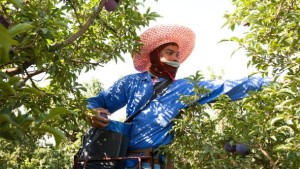
Protect Farm Worker’s Health
A National Cancer Institute investigation exhibited that farmers utilized to chemical herbicides had six times greater risk of possessing cancer than farmers who are not. The health of farm workers in working out countries is a severe concern, as pesticide utilize is poorly controlled.
Help Small Farmers
Most organic farms are self-sufficient owned and performed family farms.
The organic sector of farming is increasing 20% every year because takers desire to buy longstanding and locally-grown food but we import more food than we grow AND we lose 23,000 acres of farmland to improvement annually. If we grew more food here at home we could feed more neighbors fresher foods, reduce our utilization of oil, defeat our fertile farmland and store our agricultural economy powerful.
 Support a True Economy
Unsound, organic foods might resemble more expensive than traditional products. Traditional products costs do not realize hidden prices borne by the taxpayer in the form of subsidies. Other hidden prices consist of pesticide control and traing, dangerous waste disposal, and surrounding destroying.
Promote Bio-Diversity
“Mono-cropping” is the practice of planting large plots of land with the same crop year after year. Conventional farming uses this method exclusively. The lack of natural diversity of plant life has left the soil lacking in natural nutrients and minerals. To replace these lost nutrients which are necessary to farm, chemical fertilizers are often used. Single crops are also much more susceptible to pests, making farmers even more reliant on pesticides.
Organic farming encourages food production that nurtures our soil through the absence of pesticides and the presences of rich compost. The inherent commitment of organic farming to crop rotation, living soil, companion planting, rural enterprise, pure water and sustainable agriculture is, in itself, a critical step toward protecting our environment and our individual health. By buying organic, you provide a marketplace for growers who have made the future of our planet a top priority.